

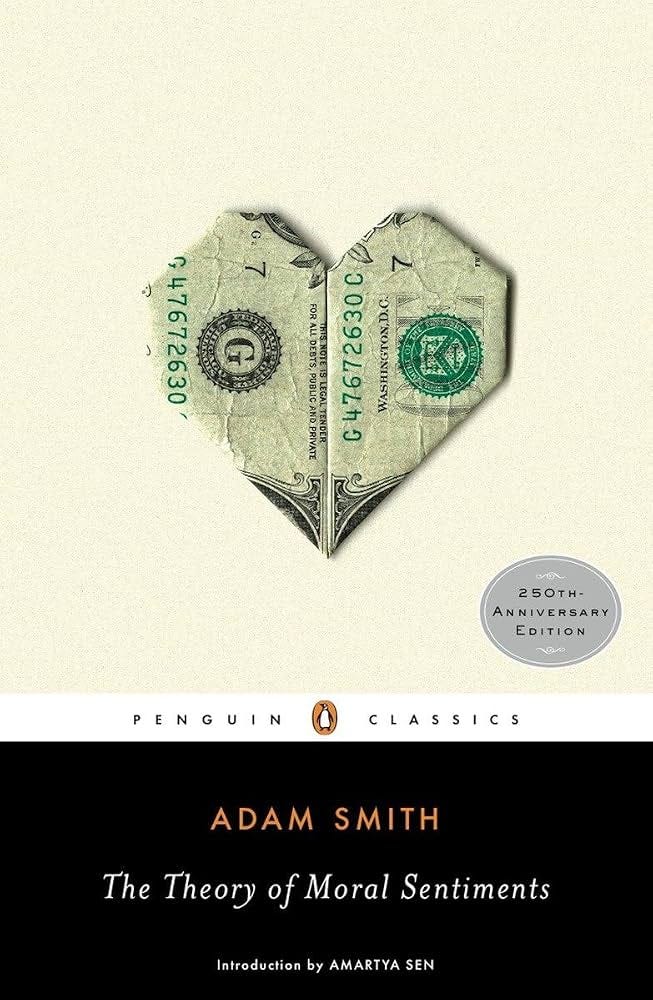
Some people think I’m “against” status seeking. I’m not.
It’s not that I’m in favor of it either; I just accept that it’s part of human nature.
Humans compete for status everywhere. They do it in offices, universities, sports leagues, restaurants, clubs, politics, business, art, and just about any other social endeavor you can think of. Sometimes people do it openly. Sometimes they pretend not to. But the basic motive is ever-present.
If the word “status” makes you bristle, replace it with “respect,” “honor,” or “admiration.”
I’m not against luxury goods as a way to exhibit or compete for status, though some of my critics seem to mistakenly think that I have a problem with ostentatious displays of wealth.
Yes, competing for material goods might be wasteful, but it’s far from the most malignant type of status game. When strivers are deciding what status game to play, it’s better for them to aspire to own a fancy car or expensive handbag than to aspire to be the voluntary thought police.
I recently read a classic paper by the economist Roger Congleton titled “Efficient status seeking: Externalities, and the evolution of status games.”
Congleton explored an important question: are status games always wasteful?
A common answer in economics and psychology has been yes, or close to yes. If status depends on relative position, then one person’s rise necessarily requires another person’s fall. Status is relative. If I buy a bigger house to look successful, you might feel pressure to buy a bigger house too. If everyone spends more, no one ends up with more status than before. We are all just running faster to stay in the same place. This is why status is often seen as wasteful or zero-sum.
Congleton suggests this story is too simple. Some status games are wasteful. But others produce real benefits for people who are not actually playing the game. Thus we should be mindful about what kind of status games a society rewards.
A status game is any contest in which social rank depends on relative performance. An author gains status by winning more awards or selling more books than other authors. An athlete gains status by scoring more points than other players. An executive gains status by climbing higher on the corporate ladder. Status games develop once a community develops standards for judging who is impressive.
Congleton divides these status contests into two types.
Micro-status games involve small groups. Academic fields, sports games, elite clubs, and professional competitions are examples.
Macro-status games involve the whole society. In modern capitalist societies, wealth, education, and influence are major sources of macro status. In other societies, status might come from family lineage, religious devotion, or political access.
Micro-status games can affect outsiders. If two climbers compete to reach the highest peaks, the rest of us don’t gain much. Their contest is mostly private. But if scientists compete for prestige, the rest of us get knowledge. If entrepreneurs compete for wealth and admiration, the rest of us get cheaper goods, better services, and more jobs. If athletes compete for glory, spectators get entertainment. The contest is still about status, but it creates spillover benefits.
I’m reminded here of the parable of the poor man’s son, described by Adam Smith in his 1759 book “The Theory of Moral Sentiments.”
Smith tells the story of a poor man’s son. As he puts it in the old-fashioned language of the time, “The poor man’s son, whom heaven in its anger has visited with ambition, when he begins to look around him, admires the condition of the rich.”
The young man gazes at the rich and imagines their lives must be full of ease, pleasure, and respect. He sees their houses, their clothes, their servants, and their public honor. He concludes that if he can get what they have, he will finally be happy.
So the poor man’s son works hard. He studies, saves, risks, suffers, flatters, and schemes. He endures physical strain and psychological torment in his pursuit of his goal. Smith writes that he “submits in the first year, nay in the first month of his application, to more fatigue of body and more uneasiness of mind than he could have suffered through the whole of his life from the want of them.”
And then, if he is lucky, he achieves his goal.
Once he has wealth and status, though, he discovers that they do not bring the happiness he expected. Perhaps a boost, but not nearly as much as he had imagined or hoped.
The pleasures are smaller than they looked from a distance. The burdens are heavier. The rich man has a nicer home, but not necessarily a calmer mind. He has more choices, but also more worries. The artist Biggie Smalls compressed the idea to four words: mo money, mo problems
Smith’s point here is that the poor man’s son was mistaken about his own happiness. However, by playing this status game, he inadvertently increased the happiness of others.
Because he believes success will make him happy, he works hard. Because he works hard, he produces things. Maybe he built a business, employed workers, invented tools, improved trade, or created knowledge.
He never finds the lasting inner peace he imagined. But other people still benefited from his restless striving.
This is one of Smith’s great insights. Human beings are often moved by illusions. We chase status, praise, honor, and distinction. We tell ourselves that maybe one more achievement will finally settle the matter. It rarely does. Yet these private illusions produce public benefits. Smith writes that “It is this deception which rouses and keeps in continual motion the industry of mankind.”
More than 250 years ago, Smith saw that ambition could be personally deceptive but socially productive. The poor man’s son overestimates what success will do for his own inner well-being. But in chasing success, he helps raise living standards for others. He may not become as happy as he’d anticipated. But the people around him become better fed, better housed, better informed, better clothed, or better employed.
The poor man’s son didn’t set out to serve humanity. He wanted wealth and honor, because he believed such things would bring him lasting happiness and peace. But if his striving creates jobs, goods, services, or knowledge, then society gains from his error.
But sometimes bystanders aren’t made better off. Sometimes status games create waste or harm. If the only thing at stake is rank, then there is no societal benefit.
Some status games merely reshuffle prestige. Others reshuffle prestige while also producing benefits for others.
Which means the usual “rat race” or “treadmill” model is incomplete. We may not be able to remove the desire for status, but we can change what earns status.
Congleton’s most interesting argument is evolutionary. Over time, he suggests, societies tend to move away from highly wasteful status games and toward more efficient ones. This isn’t inevitable, and it isn’t a law of history. But there are pressures in that direction.
One pressure comes from outsiders. If a status game harms nonplayers, the larger society has reason to suppress it. Congleton mentions dueling, street racing, and destructive potlatches. These were status games, but they imposed costs on others or consumed resources in ways that seemed socially damaging. Public rules, laws, and norms eventually pushed them aside.
Another pressure comes from status seekers themselves. People often prefer games that give them something more than mere status.
A charity ball can display wealth, taste, and social standing, of course, but it can also raise money for a worthy cause. A patron of science can gain prestige while helping to produce knowledge. A union can compete for status by securing better wages, health plans, and retirement benefits for workers. Even if status is part of the motive, the activity does something useful for others.
This is why Congleton sees subsidies for science, sports, journalism, architecture, and public service as important ways of encouraging productive status games.
Prizes, grants, honors, fellowships, medals, rankings, and titles all harness personal vanity for public benefit. They tell ambitious people: if you want admiration, you gotta do something we value.
The hard case is macro-status. Here, almost everyone is inside the game. If a whole society assigns rank based on religious zeal, military glory, family ancestry, political connections, or wealth, it’s hard for individuals to opt out.
You might dislike wearing the uniform of success, but if you refuse to “dress for success,” you could lose both status and income. People can privately dislike the game while publicly continuing to play it.
Macro-status games can therefore persist even when they are inefficient. Congleton draws on Timur Kuran’s idea of preference falsification: people may hide their real views because the social cost of honesty is too high. In the same way, people may keep participating in status games they privately resent because the penalty for withdrawal is too severe.
Indeed, people often enforce norms they privately dislike. They do this to show that their own obedience to the norm is real, and not just forced by social pressure. If you merely go along, people may think you’re afraid to object. But if you publicly condemn someone who breaks the rule, you send a stronger signal: I am not just complying, I truly believe.
This is why people can defend ideas they do not truly hold, and punish dissenters they may secretly agree with. This helps to protect their own reputation. It tells the group they are loyal, reliable, and safe to trust. In some settings, public behavior matters more than private belief.
Congleton is clear that many status games remain wasteful, absurd, or destructive. Since status seeking is a permanent feature of human life, though, the sensible goal is not to abolish it. The goal is to channel it in a productive direction.
A good society directs people’s vanity to useful ends. So that the hunger for distinction leads people to discover, build, teach, invent, entertain, serve, and produce. Rather than catch people out for failing to express the latest fashionable dogmas.
A friend of mine, used to say: "Honesty may be the best policy, but few people can afford the premiums.".
Apropos, I think, courtesy of the inimical Yarvin, Curtis:
“The first filter is that most people who matter or want to matter are liberals, because liberalism is the ideology of mattering. “