

“All they can say is no.”
This is the standard advice for anyone deciding whether to ask for something.
If you get a yes, you gain the thing you wanted. If the answer is no, you are back where you started. Except you aren’t.
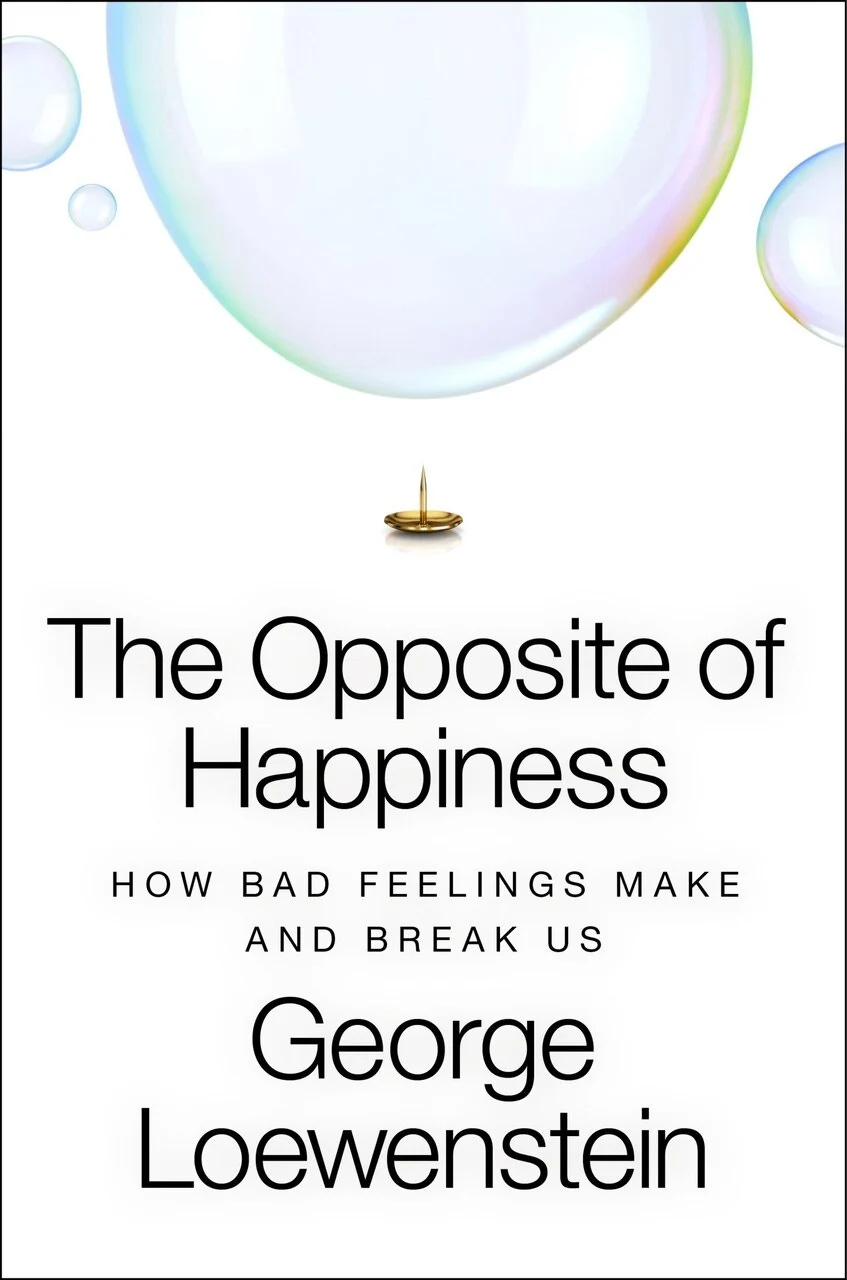
I’m reading “The Opposite of Happiness,” a new book by the behavioral economist George Loewenstein.
Occasionally I give advice here, and advice about giving advice.
So I was intrigued when I came across a passage in Loewenstein’s book in which he writes:
“Surely you’ve heard the advice: It doesn’t hurt to ask. Actually, it does. That’s precisely why the saying exists—not because it’s true, but because we need reassurance to overcome our deep reluctance to ask for help. In a recent paper I wrote with Ania Jaroszewicz and Roland Bénabou, we found that asking for help is often so uncomfortable that people will forgo significant benefits—sometimes even life-or-death benefits—to avoid the emotional risk involved.”
I went and read the paper, titled “It Hurts to Ask.”
The authors offer a useful theory of why people fail to seek help, even when others would gladly provide it.
There are familiar reasons to avoid asking for help. You might worry about imposing. Or you might feel ashamed for needing it. Or you might dislike owing someone a favor.
But an overlooked reason why people avoid asking for something is what a refusal reveals about our value to someone else.
Imagine that you are struggling at work. Your supervisor hasn’t offered support, but perhaps he hasn’t noticed. Asking for help puts that tenuous belief at risk. If you ask directly for help and he declines, you’re forced to consider the possibility that he understands your problem. He just doesn’t think helping you is worth the trouble.
Or suppose you are considering asking a friend for a loan. If they say yes, you get what you want. If they say no, though, this might lead you to consider that your friend doesn’t value your relationship as much as you thought. A painful piece of information.
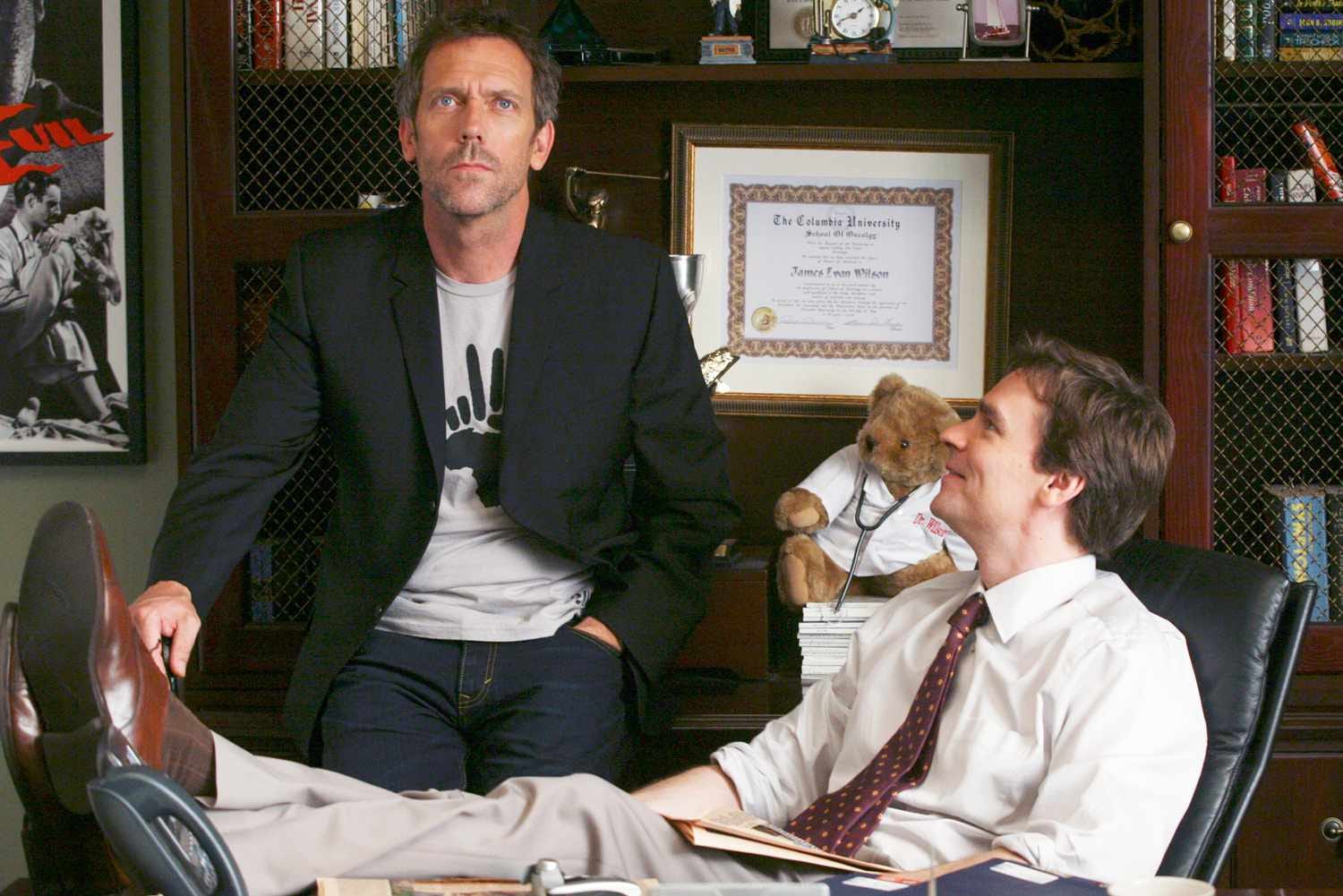
Early on in the excellent TV series House, M.D., Dr. House is shown repeatedly borrowing ever-increasing amounts of money from his best friend Dr. Wilson despite having no need for financial assistance. You later learn that House was simply testing Wilson to see how much Wilson valued their friendship.
A refusal might mean less than you think. Your boss faces demands on his time that you know nothing about. Your friend might have private money troubles of his own.
But when the reasons for saying no are unclear, we often view it as a negative judgment on ourselves.
The authors of the paper built a mathematical model around this problem.
Someone in need weighs the upside of receiving help against the cost of learning that he matters less than he thought.
The potential helper weighs the upside of meeting the other person’s need against the cost of doing so.
The value here is in showing how reasonable choices on each side can produce a result neither person actually wants.
One of the paper’s most striking ideas is that greater need can make people less willing to ask.
At first this seems backward.
Someone facing a serious problem has a lot to gain from receiving help. A serious request might also be more likely to succeed. Your friend might decline to help you move some furniture but gladly agree to escort you to the hospital.
But a refusal in the second case would hurt much more.
Being turned down over a small favor still allows you to believe your friendship is sound. Being turned down in a real crisis, though, feels like your friend does not value you very much. As Loewenstein writes in his book, “Knowing all this, at least implicitly, many people in many situations struggle in silence rather than face the potential blow to their self-esteem.”
This emotional risk, then, might lead you to not ask at all. In other words, people can remain silent precisely when their needs are most urgent. You might not ask for a favor when you are most in need because a refusal could put the relationship in jeopardy. The people most in need of help may be the least willing to ask for it.
The problem can get worse when you expect others to offer help without you having to ask. There is a subtle cost in the view that people who truly care should anticipate your needs. This view can prevent the conversations through which your needs become clear.
As the author Neil Strauss has written, “Unspoken expectations are premeditated resentments.”
A person who hesitates to seek help may understand the odds perfectly well. He might even believe the answer will probably be yes. What concerns him is the possibility of the less likely no. Before you make the ask, your value to the other person exists in a kind of comforting quantum superposition. By making your request, you risk collapsing your uncertainty into a painful answer.
People declining requests can help by explaining the constraint. “I can’t lend you money because I’m paying off debt” conveys different information from an unexplained refusal. Giving a clear reason reduces the feeling that the rejection is a judgment of the requester.
Those of us making requests should also remember that in many cases we know very little about other people’s burdens.
Interestingly, there is also a case for adding some noise to our requests. Fundraising sites, social media appeals, and even dating apps add some distance between the request and the person making it. The authors suggest these platforms help to cushion the blow of rejection. They make refusal feel less personal. If your online appeal fails, you can’t tell whether people did not care or simply did not see it. That ambiguity can be helpful. It lets people make large requests that they would otherwise not make face to face.
Personally, I became more comfortable asking important people for things—time, advice, support, etc.—after reading Give and Take by Adam Grant many years ago. The book helped me consider that a request might give someone an opportunity he would welcome. Sometimes I’m now the person being asked, and I understand how satisfying it feels to help someone out.
“All they can say is no” misses something basic about social life. We ask for favors, but we also seek proof that we matter to others. Or avoid the possibility of learning that we don’t.
Loewenstein suggests, though, that “it would serve us far better to reach out and face any uncertainty head-on.”
Seen this way, the popular adage “It doesn’t hurt to ask” is a useful coordination device that gets people to overcome their fear of rejection and seek the help they need. It breaks the deadlock.
Guilty. I would add that over a lifetime of not asking for help it can be isolating as well.