



I recently spoke with Will Storr about The Sopranos and storytelling. If you haven’t yet, I strongly recommend subscribing to Will’s Substack.
Some topics covered. Spoilers throughout:
Years ago, people would debate whether The Sopranos is better than The Wire. Young people don’t seem to watch The Wire, but many have seen The Sopranos
Similarly, two iconic sitcoms from the 90s were Seinfeld and Friends. Very few young people are watching Seinfeld today, but a lot of them are watching Friends
I argue The Sopranos was oddly prescient about what was about to happen to young men. Meadow thrives, while all the young male characters flounder and fail (e.g., AJ, Christopher, Jackie Aprile Jr., Vito Spatafore Jr.)
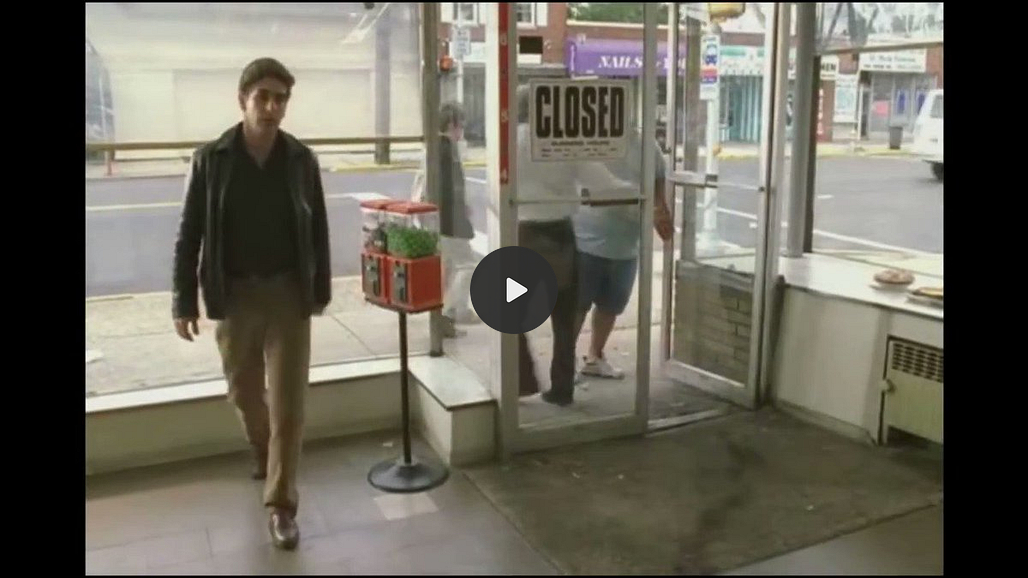
A scene from season one with Christopher Moltisanti:

Will and I weigh the pros and cons of dropping all episodes of a series at once vs. weekly releases
Whether shows released slowly will last longer in memory than those dropped all at once. If you want cultural impact, stretching out the experience may be wiser than chasing a quick burst of attention
The writing in The Sopranos, and Tony’s misunderstanding of power: He believes he and Carmela have little power over their kids, but then you see Tony’s mother Livia who has immense power over him
Will answers an important question about storytelling: what matters more, plot or character?
The contrast that makes Tony Soprano a compelling character. He is not a simple villain. He struggles with his conscience. And we meet characters like Ritchie and Ralphie, who are closer to true psychopaths
You see Tony occasionally struggle with reconciling the code of the mafia with fundamental decency, as in the way he reacted to the death of Tracee the stripper or the news about Vito being gay
A key contradiction that makes Tony human: he hates the life, but he also loves the life. He romanticizes the old days, breaks the rules when it suits him, and that hypocrisy is familiar to all of us
The viewer sees Tony in every setting: with his therapist, with his wife, with his kids, with his crew, his business associates, FBI agents, and so on. No one in his life knows him as well as the viewer does. We judge him like a god, watching a man split between multiple selves
Will and I discuss who else in the show would have been a compelling protagonist. Maybe Dr. Melfi or Christopher Moltisanti
Why Tony’s crew is willing to accept him as a leader; what unique attributes help him manage a group of amoral thugs
What Tony meant in the pilot episode when he says “I’m getting the feeling that I came in at the end. The best is over.”
The meaning of the final scene of the show
Join me for my next live video in the app.


